



 Roy Jenkins

Which country's flag is this?

Which country's flag is this?
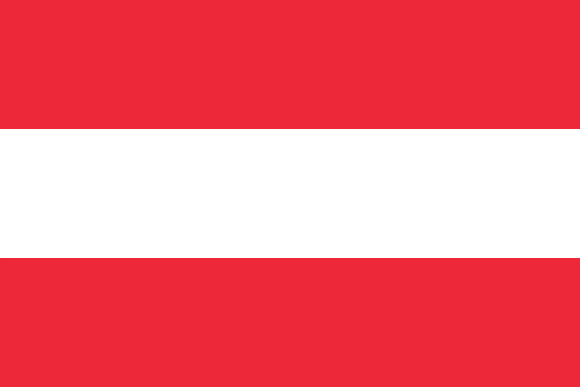
Which country's flag is this?
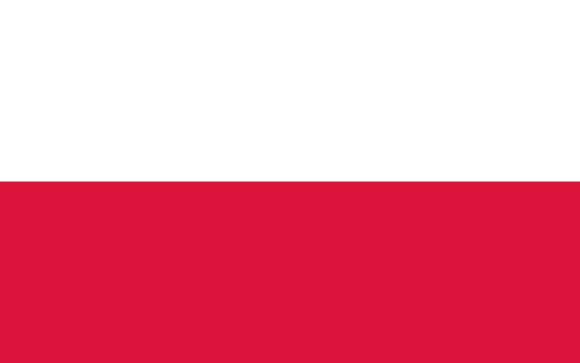
Which country's flag is this?

Which country's flag is this?
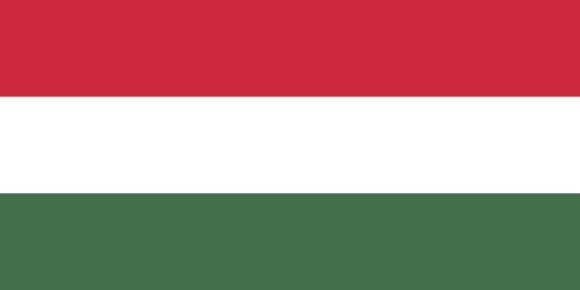
Which country's flag is this?

Which country's flag is this?
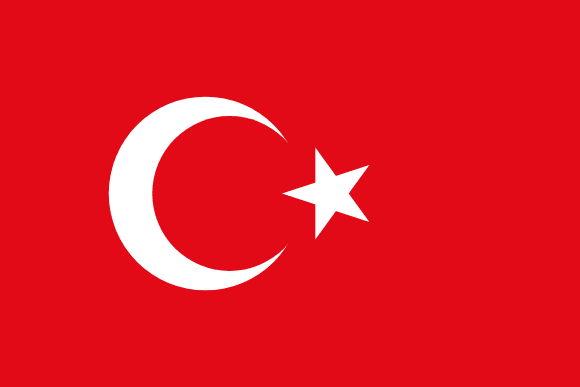
Which country's flag is this?
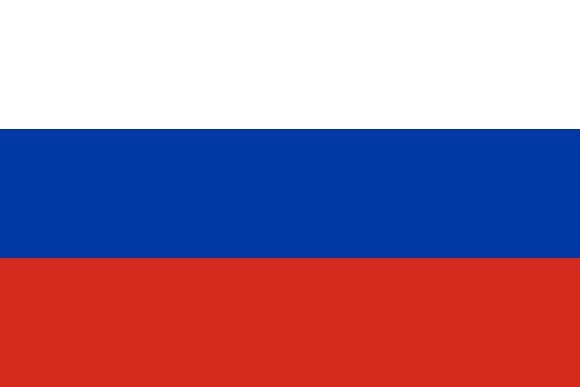
Which country's flag is this?
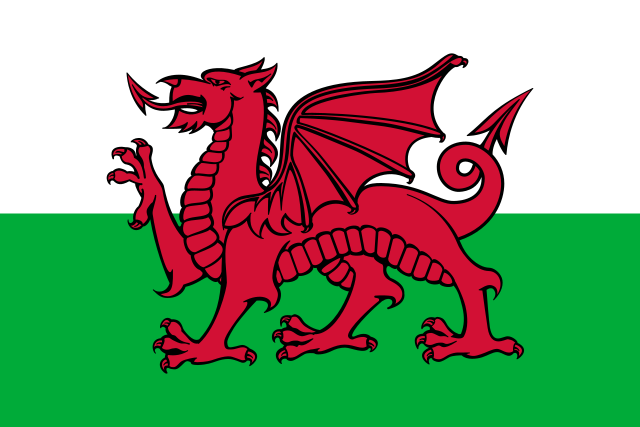
Which country's flag is this?
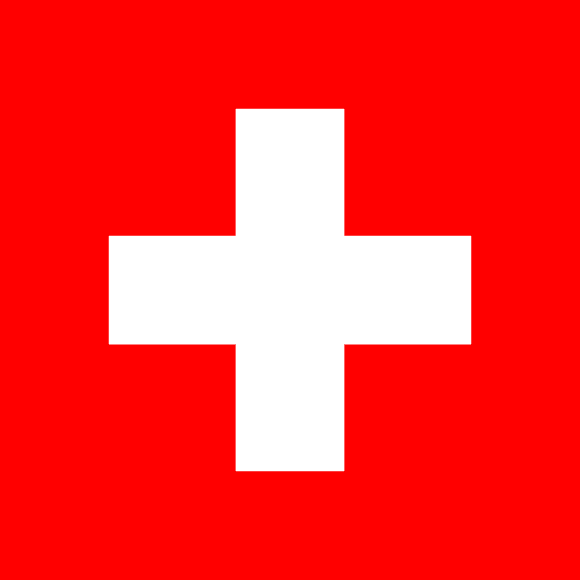
Which country's flag is this?
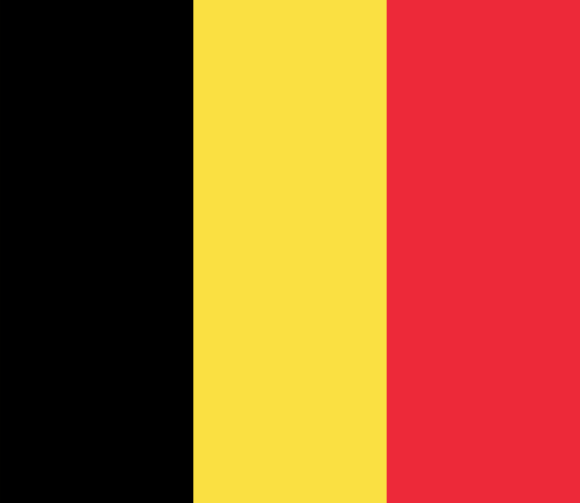
Which country's flag is this?
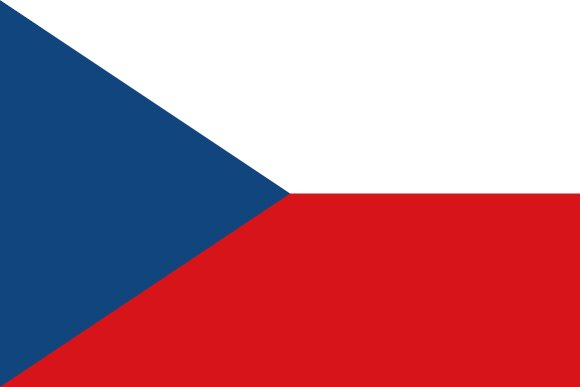
Which country's flag is this?
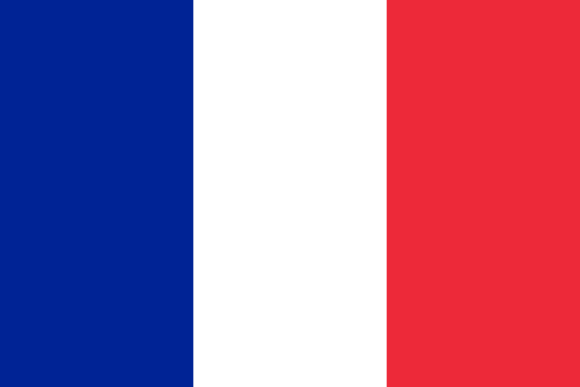
Which country's flag is this?
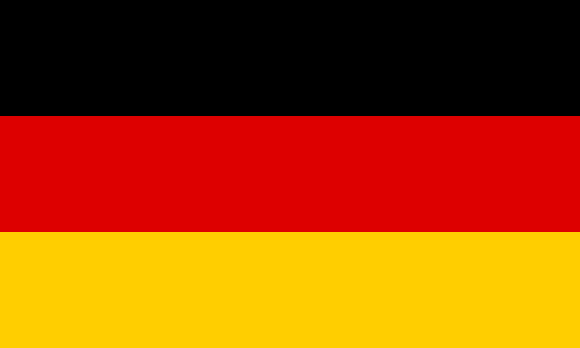
Which country's flag is this?
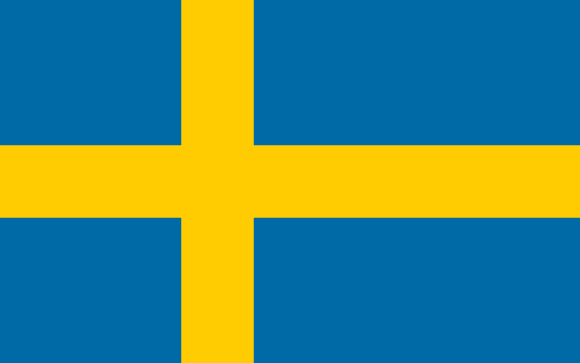
Which country's flag is this?

Which country's flag is this?

Which country's flag is this?
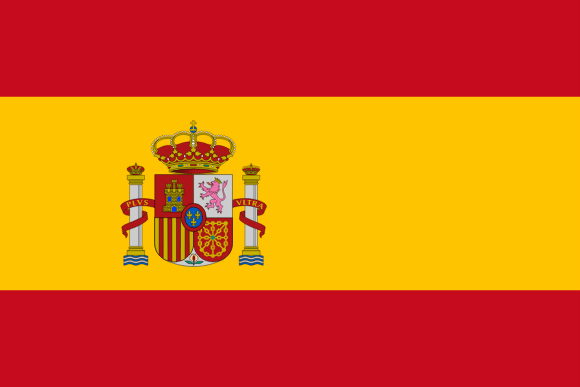
Which country's flag is this?

Which country's flag is this?

Which country's flag is this?

Which country's flag is this?
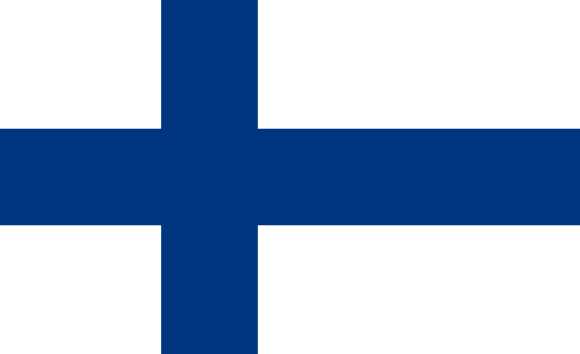
Which country's flag is this?

Which country's flag is this?
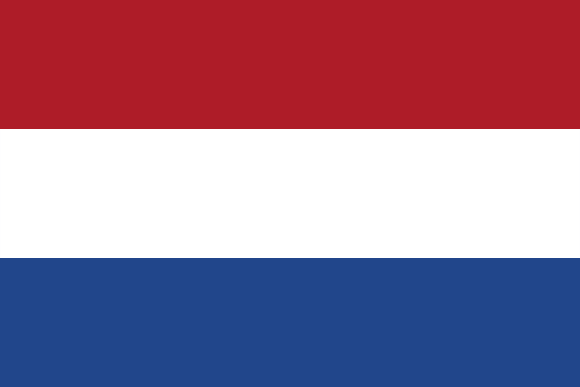
Which country's flag is this?

Which country's flag is this?

Which country's flag is this?

Which country's flag is this?

Which country's flag is this?
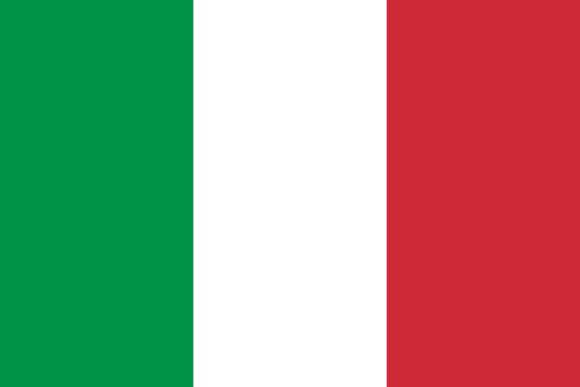
Which country's flag is this?
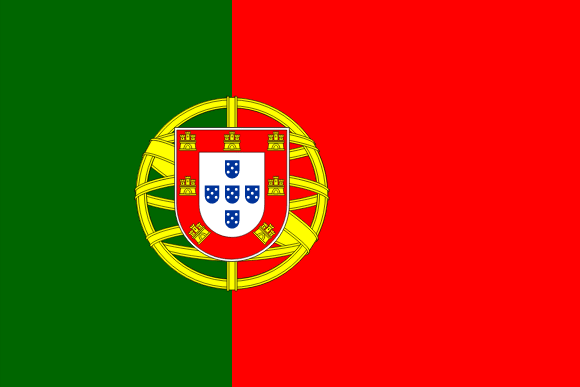
Which country's flag is this?

Which country's flag is this?

Which country's flag is this?

Which country's flag is this?

Which country's flag is this?

Which country's flag is this?
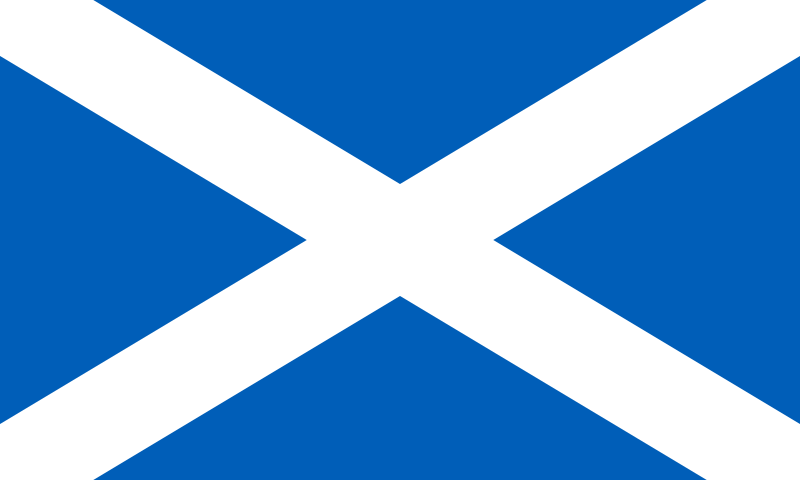
Which country's flag is this?

Which country's flag is this?
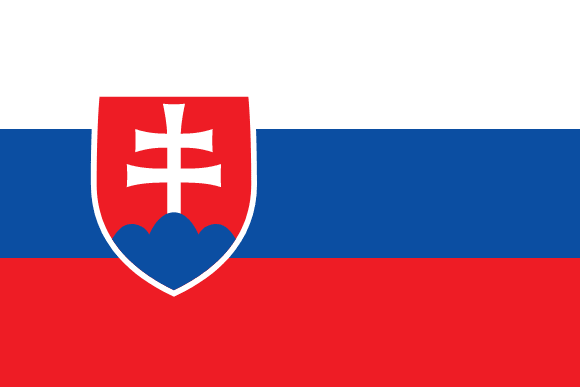
Which country's flag is this?
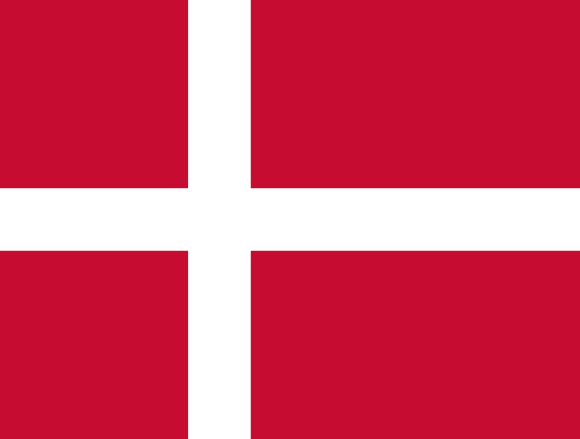
Which country's flag is this?

Which country's flag is this?

Which country's flag is this?
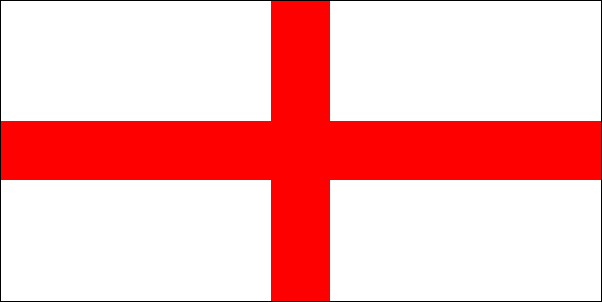
Which country's flag is this?

Which country's flag is this?
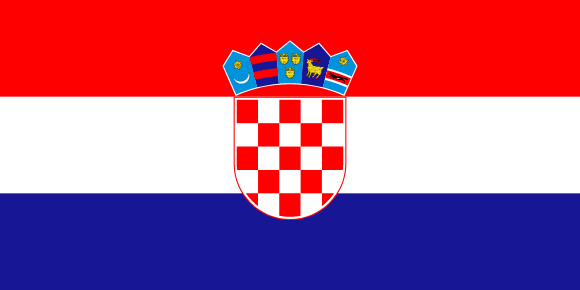
Which country's flag is this?

Which country's flag is this?

Which country's flag is this?

Which country's flag is this?
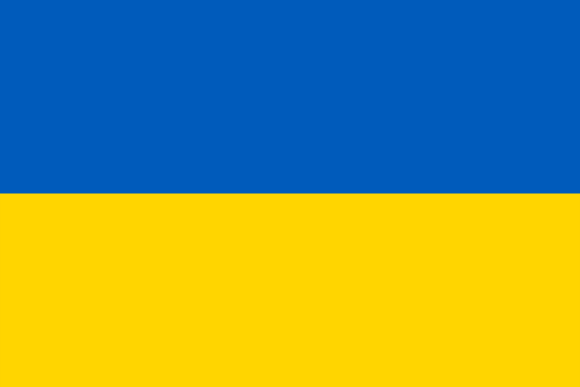
Which country's flag is this?

Which country's flag is this?

Which country's flag is this?

Which country's flag is this?
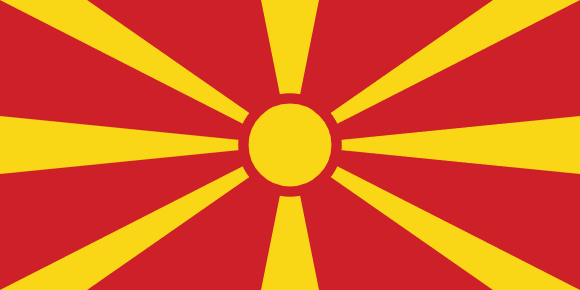




Share your Results:
Can you guess the flags of European countries?
Geologically and geographically, Europe is a peninsula, forming the western fifth of Eurasia, but it is still generally considered a stand-alone continent. Europe is the sixth largest continent, slightly larger than Austria, with an area of 10,180,000 km² or 6.79% of the planet’s land, and in terms of population it is the third continent after Asia and Africa, with approximately 739,165 .000 inhabitants (2011 count), or 11% of the world’s population. The continent has a length of 5600 km on the east-west direction, and from north to south it has a length of 3,900 km.
The continent is located in the northern hemisphere, in full temperate zone, with extensions in the Mediterranean subtropical zone and in the cold zone, beyond the Arctic Circle, offering an environment conducive to the development of human civilization. It is a continent of ancient civilization, the cradle of the industrial revolution, the starting point of mass immigration to other continents, but also the starting point of the most destructive wars known to mankind, currently having the largest concentration of military forces and weapons in the world.
The name of the old continent has its roots in the mythology of ancient Greece, where Europe was a Phoenician princess that Zeus kidnapped, after taking the form of a bright white bull and took her to the island of Crete, where she gave birth. of Minos, Rhadamanthus and Sarpedon. At first, Europe referred only to the central-northern part of Greece. In Antiquity and the Middle Ages the most common term for the old continent was the West, after which in the VI-VIII centuries it was called the Christian West and only from the XX century the term enters the common vocabulary, with the pan-European movement launched by Count Coudendove-Kalergi, after The First World War, then in 1947 with the founding of the European Parliamentary Union, continued in 1957 with the establishment of the European Economic Community, which today became the European Union. The Greek name “Europe” has an uncertain origin. One hypothesis suggests the origin of the word from the Greek words extended (eur) and eye (op, eight), from which Europe resulted.
Europe is bordered on the west by the Atlantic Ocean, the Arctic Ocean on the north, the Ural Mountains and the Ural River on the east, the Caspian Sea, the Caucasus Mountains and the Black Sea on the southeast and the Mediterranean Sea on the south. The border with Asia runs from the north of the Arctic Ocean to the south, along the Ural Mountains, on the Ural River, the Caspian Sea, the northern Caucasus Mountains, the Black Sea, the Bosphorus Strait, the Marmara Sea, the Dardanelles Strait, the Aegean Sea and the Mediterranean. . In southern Europe is the Mediterranean Sea, which separates it from the continent of Africa. The Mediterranean Sea communicates with the Atlantic Ocean through the Strait of Gibraltar. In western Europe is the Atlantic Ocean, and in the north the Arctic Ocean. Due to cultural and socio-political differences, there are many variants of delimitations of Europe; In some sources, some territories are not included in Europe, while other sources include, for example, geographers in Russia and other post-Soviet states generally include the Ural Mountains in Europe, but the Caucasus attributes it to Asia. Similarly, some maps include Georgia, Armenia and Azerbaijan in Europe, while others exclude them. In the same way, despite the fact that the islands of Cyprus and Malta are closer to Asia and Africa, they are often portrayed as belonging to the European continent, especially since they became full members of the European Union. The same is true of the Canary Islands of Spain and the English and French territories located in or beyond the Atlantic Ocean or the Indian Ocean. In the northern hemisphere, the most important parallels that cross Europe are: the parallel of 45 ° north latitude and the North Polar Circle 60 ° 30 ‘north latitude.

- Which Community Character Are You? QUIZ - January 12, 2022
- Snowflake Test. Social & Political Views Quiz - January 12, 2022
- Which Teenage Mutant Ninja Turtles Character Are You? TMNT Quiz - January 11, 2022




GIPHY App Key not set. Please check settings